Showing posts with label Mexico. Show all posts

Thursday, March 26, 2009

Congress Attacks the Symptoms

As of today, there are at least five bills making their way through the US House and Senate that address the violence in Mexico (see my last post). And four of those bills have been introduced since March 11. Congress is paying attention.

But are they solving the problem? Not really. It turns out that these bills are great politics but half-hearted policy. The bills look like quick, resolute action to solve a problem that is increasingly threatening Americans. But every bill accounts for only the symptoms of the root cause -- criminalized drugs in the US. 

To clarify this point, let's do a quick review of the bills:

1. H. Res. 258: primarily a position statement. It says that the US government supports President Calderón's struggle against the cartels in Mexico, will continue to provide resources and training to Mexico and its security forces, is committed to securing the border, and is committed to fighting drug crime. It's mostly principle; not a lot of 'there' there. But to be fair, it is a resolution, which tend to be more symbolic.

2. HR 495: provides $15 million over two years to step up efforts to stop illegal firearm smuggling to Mexican gangs.

3. HR 1437: provides $10 million over 5 years to fund a "Southern Border Security Task Force" to protect border communities in the US from drug related violence as well as to fight drug smuggling.

4. HR 1448: provides $150 million annually for additional border security and firearm tracking. 

5. S. Res. 72: identical Senate resolution to H. Res. 258.

Congress is scrambling to throw funds at "fighting" and "protecting"; these are great words for appeasing constituents. But the US has been fighting a "war on drugs" for years without successfully curtailing illicit drug use. At best, these bills will account for symptoms of a black market for drugs.

Less they look forward to years of increasing funds to sustain border task forces, the US people need to urge their Congressional representatives to legalize drugs -- beginning with marijuana.

There are hundreds of millions of dollars of government spending in the five bills above. Yet ironically, if drugs were decriminalized, then the net gain for the government in tax revenue would be billions of dollars annually. 

The most effective action in Congress would contain measures to reduce the demand for illicit drugs. Don't hold your breath.

I want to thank Sue Ann for sending me all of the great information on these Congressional bills. 

Friday, March 20, 2009

When Reality Comes Knocking...

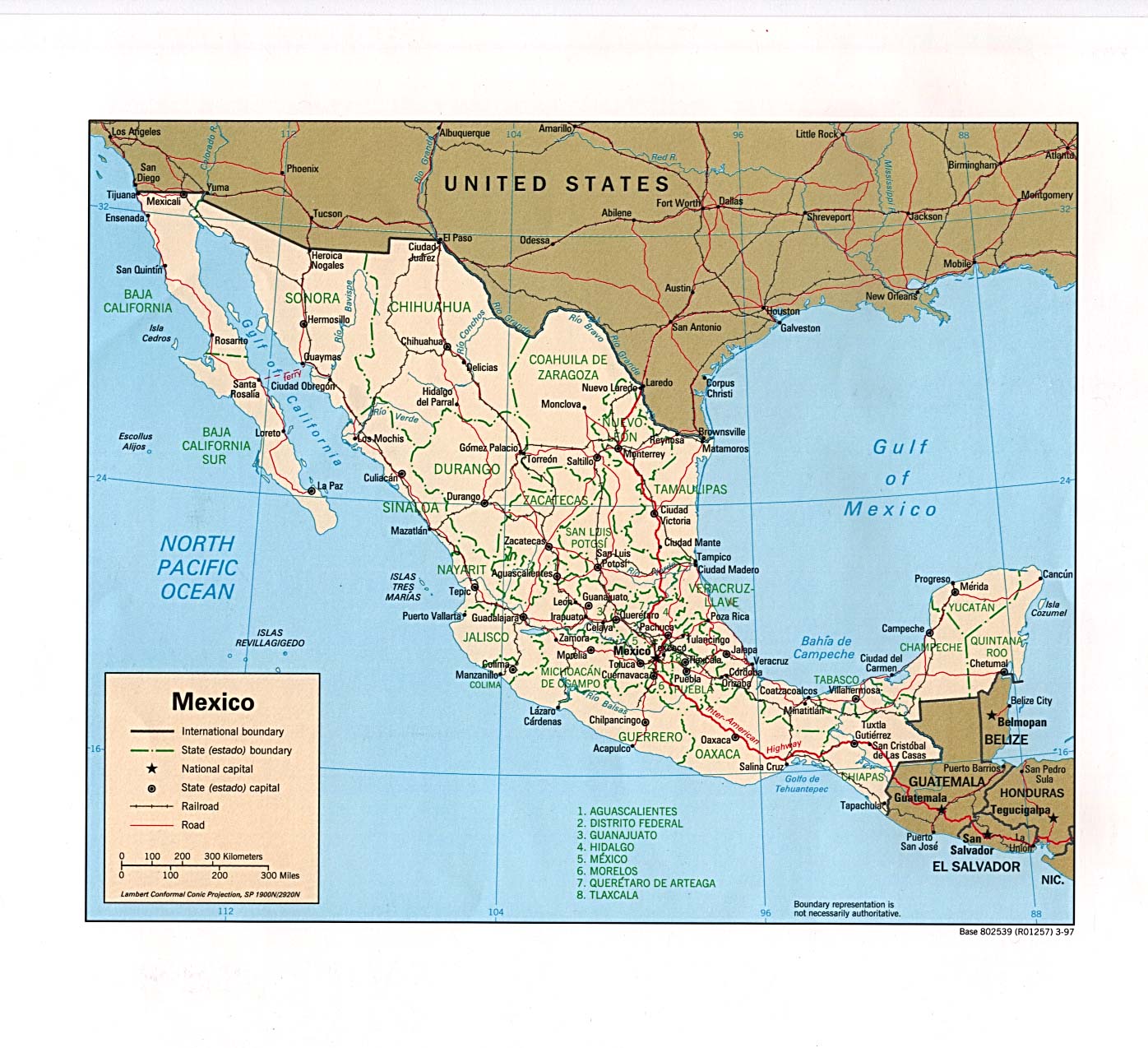
Given the lack of coverage in America's broadcast news, you could be forgiven if you did not notice the escalating drug war in the US's southern neighbor, Mexico. In short, President Felipe Calderón has stepped up efforts to fight drug cartels that have become powerful enough to be considered the de facto leadership in some states and cities -- such as Sinaloa and Juarez, respectively. The organized, wealthy, and well-armed cartels have reacted with intense violence, killing more Mexicans last year than all American soldiers killed in the Iraq and Afghanistan Wars combined. But fortunately -- if murder can ever can be considered "fortunate" -- most of the deaths are gang members, in the process of desperately struggling for territory. (Another good article on the situation.)

This is important for at least two reasons. First, the violence affects the lives of many Mexicans and threatens the society, in general. Second, killing, kidnapping, and increased migration (from desperate civilians in Mexico) is affecting the US.

The circumstance has become this dire for a few reasons -- two of which directly involve the US. First, for too long, these gangs had been left to their own devices or paid off police to leave them be. And continued failure by Mexico's presidents to reform the police has allowed cartels to grow roots in their respective territories. Second, many of the weapons the gangs are currently using to kill thousands come from 6,600 US gun dealers on the Mexican border who frequently sell weapons to middlemen, who then turn around and sell to the gangs. 

Third, and most importantly, the bulk of Mexico's drug trade is still feeding the US black market for marijuana.

Given the contributing factors, the solution must be matching. President Calderón has made reversing the first factor -- competent security and governance -- the centerpiece of his term. 

The second issue, guns, must be dealt with from the US side by much stricter regulation and tracking over gun sales. For example, new laws could require that gun purchasers prove their continued possession periodically -- maybe every few months. 

But as I alluded to before, the third factor is central: the demand for illegal drugs. And the obvious solution -- legalization -- is the reason why the US discussion of Mexico's violence is either insincere or ignored altogether. Take George Will's recent column, for example. He goes on for 90% of the article about the problem of violence spilling over into Arizona, but when it comes to the reality of confronting the problem, he writes one sentence:
Whatever the merits of legalization -- and there are certain to be costs -- it will not happen in the foreseeable future, which is where Arizonans must live.
Shrugging it off sure is easy, huh? 

I am not going to undertake a long argument for legalization here -- and I'd like to hear your opinions on it in the 'comments' section. (Besides, many have done a much more competent job than I could right now.) I will confine myself to the most relevant reason: drug cartels will figure out a way to get their products to the tens of millions of Americans who use them -- and will continue to do so -- as long as there are not legal channels. Put another way, the demand is a constant; the only malleable issue is who is supplying the drugs -- a gang or stores. 

Americans can continue to deny or ignore the reality at America's door. But what happens when it bursts in anyways?

March 22 - Update: for a better idea of the massive and profitable industry of marijuana in the US, read this article. (The article is from Foreign Policy magazine, but the FP website is having problems right now.)